
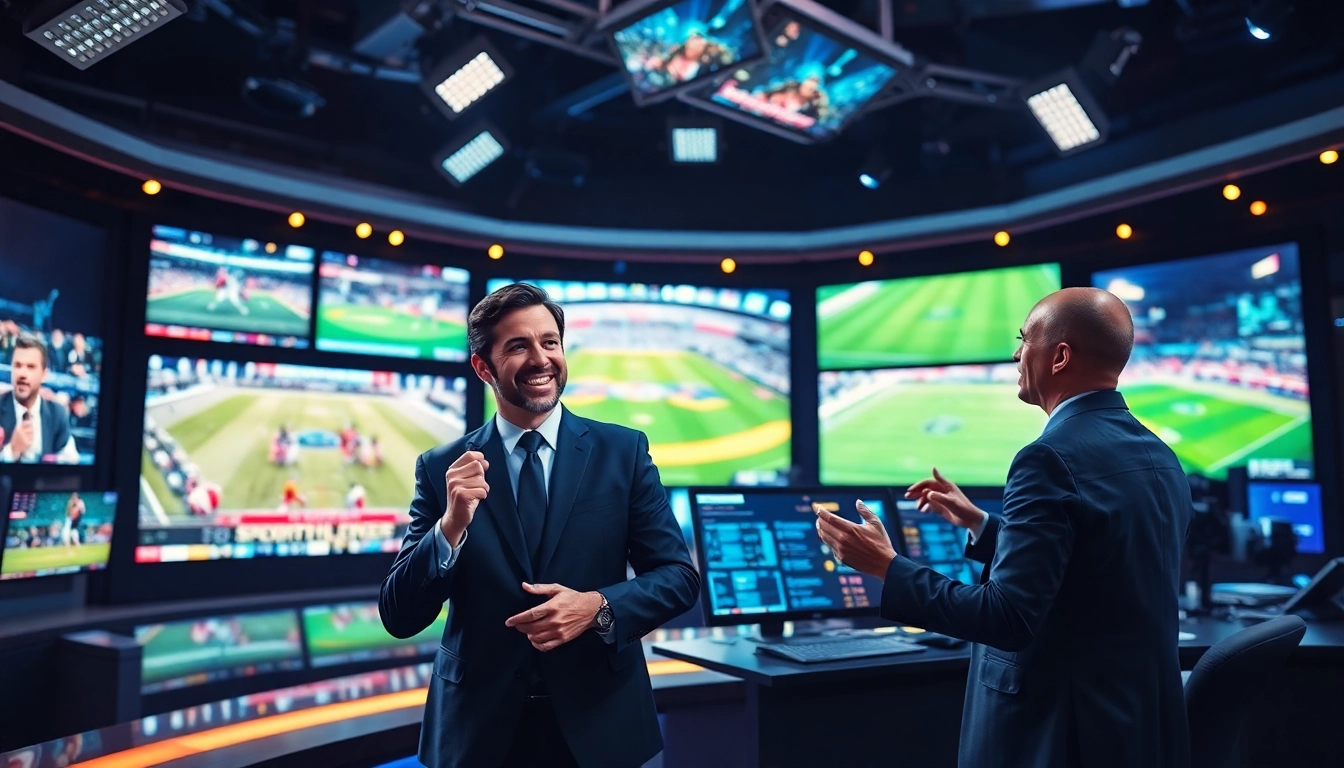
Understanding the Basics of Sports Broadcasting
Definition of Sports Broadcasting
Sports broadcasting refers to the live telecast, streaming, or recording of sporting events for television, radio, and online platforms. It encompasses various formats, from local radio stations covering community sports to global networks broadcasting major events like the Olympics and the FIFA World Cup. Sports Broadcasting plays a fundamental role in connecting fans to their favorite teams and athletes, often shaping public perception and engagement with sports.
Key Players in Sports Broadcasting
The landscape of sports broadcasting is populated by various influential entities. These include:
- Networks and Channels: Major broadcasters like ESPN, NBC Sports, and CBS Sports hold the rights to air significant sporting events.
- Streaming Services: Platforms such as DAZN and Amazon Prime Video have begun to carve a niche with exclusive sports content.
- Content Creators: Influencers and analysts on platforms like YouTube and social media provide commentary, insights, and highlights that engage younger audiences.
- Sports Leagues: Organizations such as the NFL, NBA, and UEFA directly influence broadcasting rights and partner with broadcasters to share content.
Importance of Sports Broadcasting in Modern Media
The impact of sports broadcasting on modern media cannot be overstated. It serves not only as entertainment but also as a key driver for revenue in various sectors:
- Viewership Engagement: Broadcasting drives viewership and helps to create a passionate fan base.
- Advertising Revenue: Major sporting events attract significant advertising investments, contributing to the growth of networks.
- Cultural Impact: Sports broadcasts can unite communities and foster national pride during major events.
The Technology Behind Sports Broadcasting
Essential Equipment for Effective Sports Broadcasting
To deliver high-quality sports broadcasts, various equipment and technologies play crucial roles:
- Cameras: Multi-camera setups enhance coverage, providing diverse angles and improved viewer experience.
- Microphones: High-fidelity microphones ensure clear sound, capturing commentary and crowds distinctly.
- Editing Software: Tools such as Adobe Premiere Pro and Final Cut Pro are critical for post-production quality.
- Broadcasting Consoles: These manage the feeds of various media outlets, maintaining consistency across platforms.
Software Solutions for Broadcast Management
Beyond hardware, various software solutions streamline broadcast management:
- Automated Production Control Systems: These systems help to streamline the production process and reduce human error.
- Content Management Systems: Tools like WordPress and Wistia assist in organizing and delivering content efficiently.
- Analytics Software: Solutions such as Google Analytics provide insights into viewer engagement and demographics, enabling strategic content programming.
Streaming Technology and Its Impact on Sports Broadcasting
The evolution of streaming technology has revolutionized sports broadcasting:
- Live Streaming: Innovations in live streaming allow real-time access for international audiences, expanding reach exponentially.
- On-Demand Viewing: Viewers can now watch games after they air, catering to a broader audience base than traditional scheduling.
- Interactivity: Streaming platforms often incorporate interactive features, such as live chats and polls, enhancing viewer engagement.
Industry Trends Shaping Sports Broadcasting
The Rise of OTT Platforms in Sports Broadcasting
Over-the-top (OTT) platforms like Netflix and Hulu have begun to infiltrate the sports broadcasting space, prompting traditional broadcasters to rethink their strategies. These platforms often provide on-demand content and original programming, bringing a new audience segment on board. Examples of successful sports documentaries and miniseries have increased the demand for this genre on OTT platforms.
Viewer Engagement through Social Media and Analytics
Social media platforms are crucial for real-time viewer engagement, allowing broadcasters to connect with audiences beyond the screen:
- Real-Time Interaction: Social media enables fans to discuss games live, creating a sense of belonging and community.
- Analytics Integration: By analyzing viewer data from social platforms, broadcasters can tailor their content to better meet audience preferences.
The Future of Sports Broadcasting and Technology Integration
Continued advancements in technology will shape the future of sports broadcasting:
- Virtual Reality (VR): VR is set to change the way fans experience sports events, offering immersive viewing experiences.
- Augmented Reality (AR): AR can enhance broadcasts with real-time statistics and player data, creating richer stories.
- Artificial Intelligence (AI): AI-powered analytics will optimize broadcasting strategies, tailoring them based on viewer behavior.
Challenges in Sports Broadcasting
Regulatory Issues Affecting Sports Broadcasting
Sports broadcasting is subject to a myriad of regulations that affect content delivery. Different countries have unique laws about broadcasting rights, advertising standards, and content restrictions. Navigating these regulations requires a keen understanding of local laws and compliance standards, often posing a challenge for broadcasters aiming for a global reach.
Navigating Competition in a Crowded Market
As more players enter the sports broadcasting space, standing out becomes increasingly difficult. Competition from both traditional networks and digital platforms requires broadcasters to continuously innovate and adapt their content strategies. Establishing unique value propositions through exclusive content, community involvement, or enhanced viewer experiences is vital.
Maintaining Content Quality and Authenticity
With accelerating audience expectations, maintaining high content quality and authenticity is paramount. Viewers demand a genuine connection and insightful commentary. Broadcasters must balance professional standards while creating an engaging narrative that resonates with their audience to establish trust and loyalty.
Best Practices for Successful Sports Broadcasting
Crafting a Compelling Broadcast Narrative
Every great broadcast starts with a compelling narrative. To create this, broadcasters should:
- Know Their Audience: Understanding demographic preferences can shape a narrative that resonates with viewers.
- Highlight Key Players: Focusing on star athletes can attract viewer attention and increase emotional investment.
- Build Up Anticipation: Strategic storytelling prior to big match-ups can enhance viewer engagement.
Engaging Your Audience through Interactive Content
Interactive content can significantly boost viewer engagement. Best practices include:
- Live Polls and Q&A: Engaging audiences during broadcasts can make them feel more involved.
- Fantasy Leagues: Integrating fantasy sports can encourage viewers to actively participate rather than passively consume content.
Performance Metrics for Evaluating Sports Broadcasting Success
Measuring the success of a sports broadcast involves a variety of performance metrics:
- Viewership Ratings: Analyzing how many viewers tuned in can determine the reach of the broadcast.
- Engagement Rates: Metrics like comments, likes, and shares on social media can assess audience interaction.
- Subscription Growth: Monitoring changes in subscription numbers for streaming services can indicate content effectiveness.
FAQs
1. What is the role of technology in sports broadcasting? Technology enhances viewer experience through live streaming, graphics, and analytics.
2. How do social media platforms influence sports broadcasting? They allow for real-time engagement and wider reach, enhancing viewer participation.
3. What challenges do sports broadcasters face? Regulations, competition, and the need for high content quality are key challenges.
4. Why is audience engagement important in sports broadcasting? Engaging audiences drives viewership and increases loyalty to content providers.
5. What metrics are used to evaluate sports broadcasting performance? Metrics include viewer ratings, engagement rates, and social media interactions.